Picture two quotes on the same landing page.
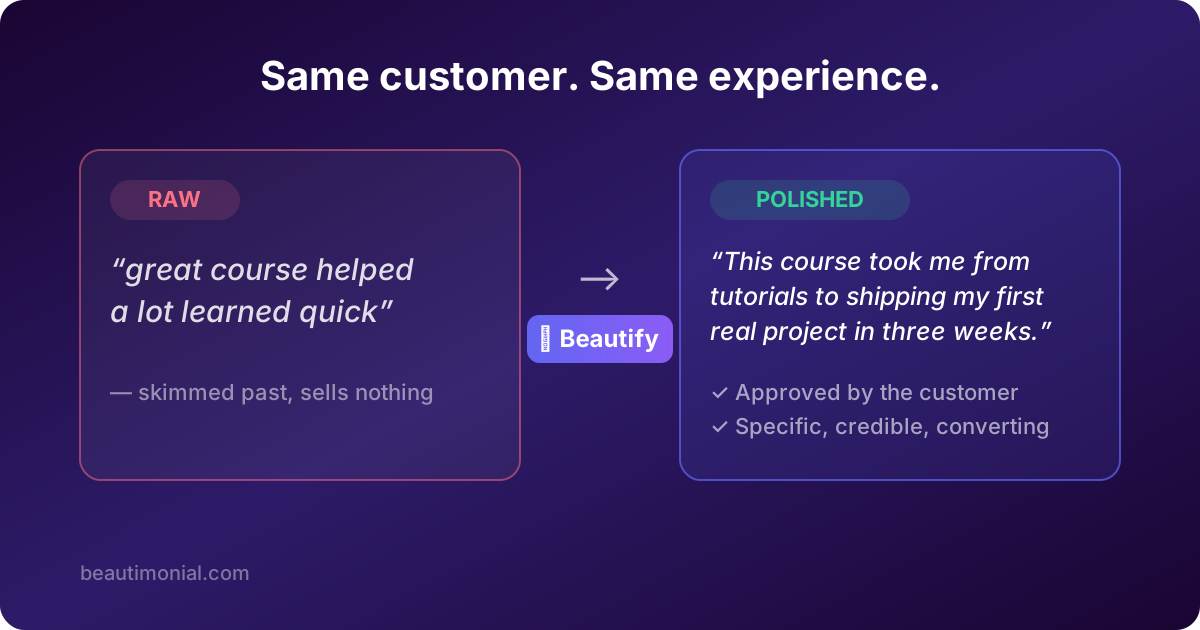
“Great course. Helped a lot. Would recommend.”
“This course took me from staring at Python tutorials to shipping my first real project in three weeks. The lessons are short, practical, and actually stick.”
Same customer. Same experience. Same honest opinion. But only one of them makes a stranger reach for their wallet.
Specificity is what sells
Vague praise is invisible. Visitors skim past "great product" because it could describe anything. What stops the scroll is specificity: the before, the after, and the detail that proves the story is real.
The problem? Customers don't naturally write that way. They type quick, shorthand feedback — because for them, leaving a review is a two-second favor, not a copywriting exercise.
Polishing is not fabricating
There's a bright line here. Inventing testimonials destroys trust and, in many places, breaks the law. Polishing is different: it takes what the customer actually said and expresses it clearly — better structure, complete sentences, the meaning intact.
That's why every Beautimonial testimonial starts with the customer's own words, and the customer approves the polished version before it goes anywhere. Authentic experience, beautifully expressed.
The math of better testimonials
If your site converts at 2% and stronger social proof lifts that to 2.5%, that's 25% more customers from the same traffic — without spending another rupee on ads. Few changes on a website pay off as reliably as upgrading the words your happiest customers already gave you.